

How to Do Safe Place Visualization

Your mind can be your greatest refuge or your biggest battlefield.
Stress hits, your chest tightens, and your brain won’t shut up. We’ve all been there: gripping the steering wheel in traffic, staring at the ceiling at 2 a.m., or bracing yourself before a tough meeting. In moments like that, you need something portable, immediate, and real. That’s exactly what safe place visualization gives you.
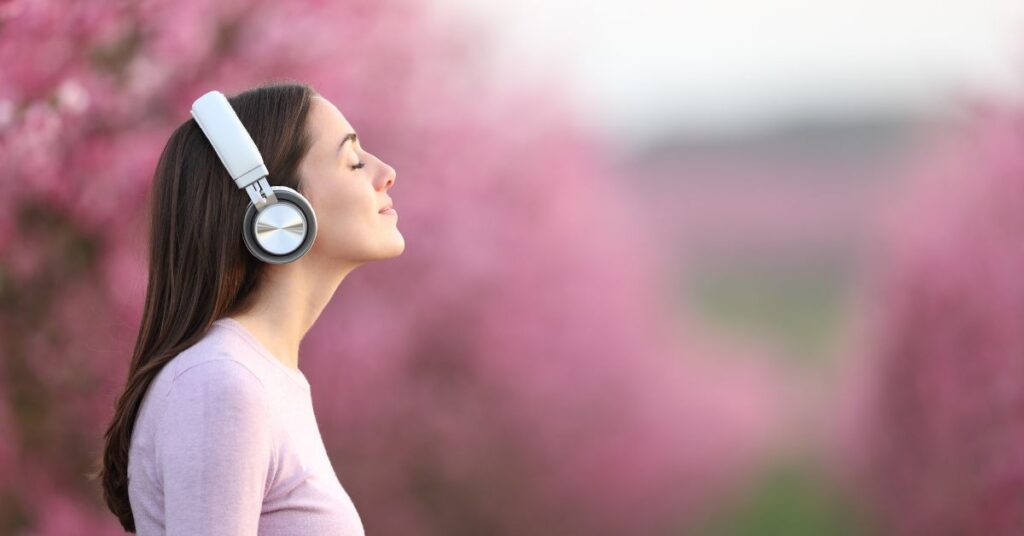
Safe place visualization is a simple but powerful technique: you create a vivid mental image of a place where you feel calm, secure, and at peace. It becomes your personal sanctuary, but one that exists entirely in your imagination, ready to ground you in moments of overwhelm.
In the next few minutes, you’ll see how to build that place and make it stick.
What Is Safe Place Visualization?
Safe place visualization is a guided mental exercise where you imagine yourself in a calming, secure environment. It could be anywhere – an ocean shore, a mountain cabin, a sunlit garden, or even a cozy chair by a fireplace.
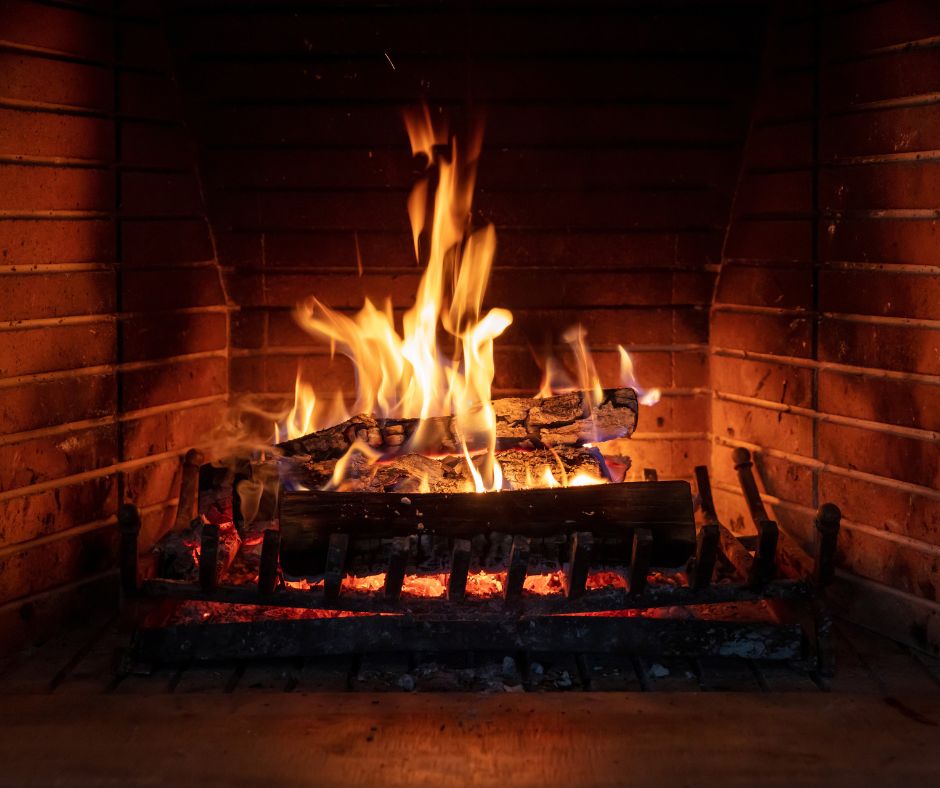
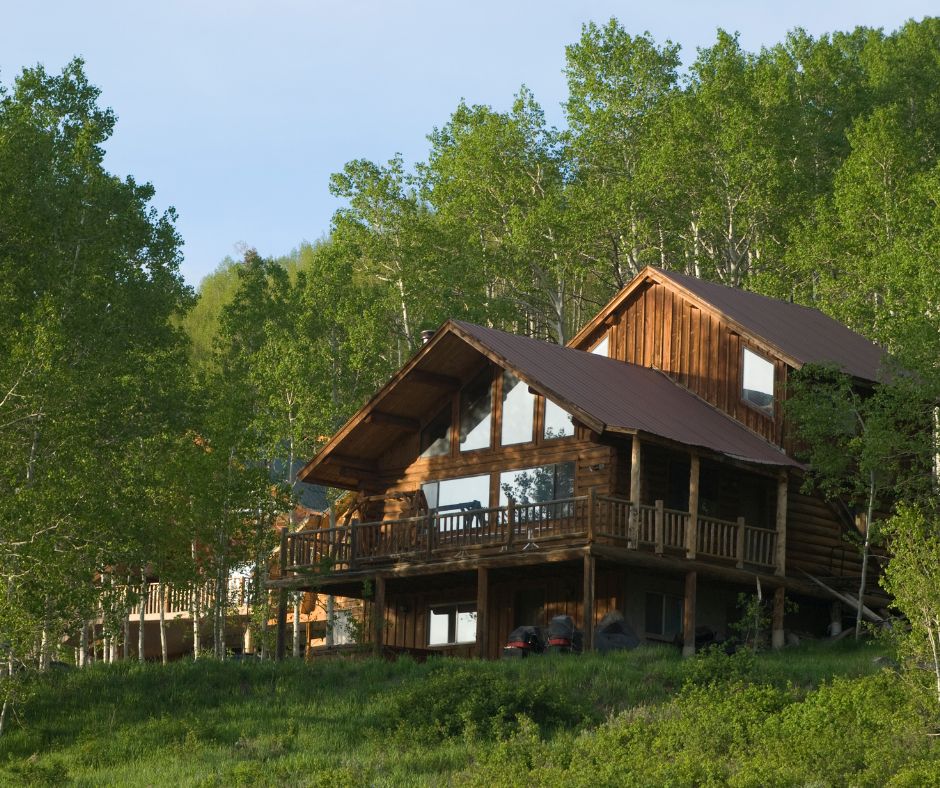

The goal is to create a detailed mental picture that feels so vivid your body and mind respond as if you’re actually there.
The purpose is not to escape reality. Rather, it’s about giving your nervous system a break from stress. When you immerse yourself in this inner sanctuary, your heart rate slows, your breathing steadies, and your mind quiets. You give yourself permission to rest in a mental space where nothing can harm or overwhelm you.
At its core, safe place visualization is a self-regulation tool. Athletes use it to stay calm under pressure. Therapists use it to help people manage trauma and anxiety. Everyday people like yourself can use it to find stillness in the middle of chaotic lives.
Does Safe Place Visualization Work for Stress and Anxiety Relief?
Absolutely, yes! Here’s why…
Your brain doesn’t fully distinguish between what’s real and what’s vividly imagined. That’s why your heart races during a nightmare or why your mouth waters when you picture your favorite meal.

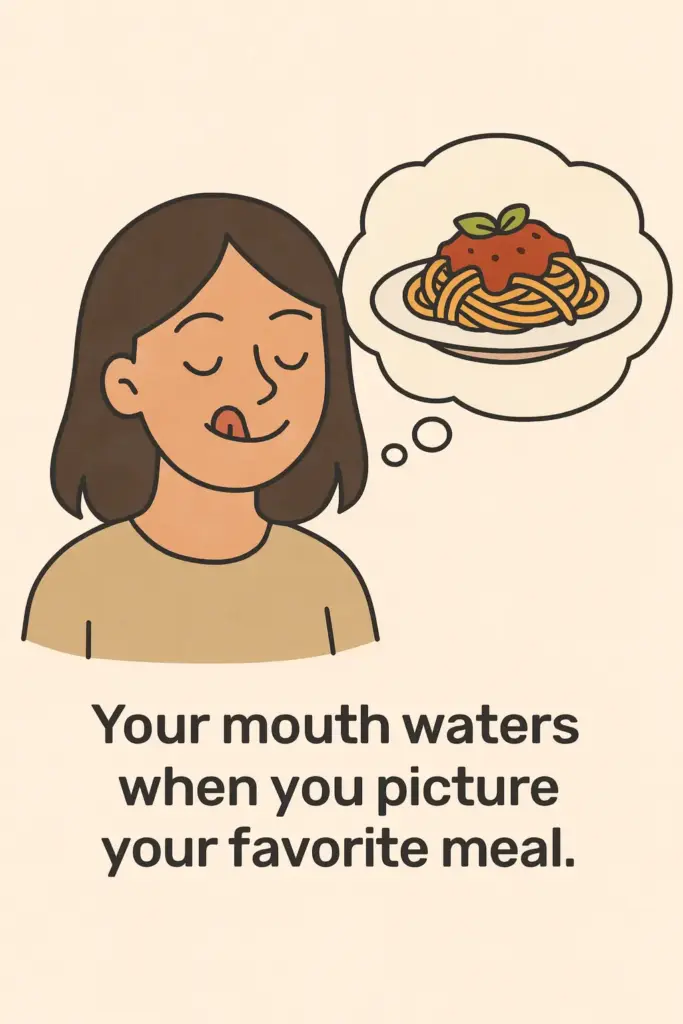
Safe place visualization taps into this same mechanism, convincing your mind and body that you’re somewhere safe, calm, and secure.
When you engage your senses in this practice – seeing the ocean waves, hearing the birds, feeling the warm sun – your nervous system shifts from “fight or flight” into “rest and restore.” Stress hormones decrease, muscles unclench, and your thoughts begin to slow.
This is why therapists and mindfulness teachers often recommend it. By returning to your safe place repeatedly, you train your body to find calm faster, even when life outside feels overwhelming.
How to Do Safe Place Visualization: Step-by-Step Guide
The good news is, you don’t need special equipment or hours of free time to practice safe place visualization. All you need is a few minutes, a quiet spot, and your imagination. Here’s how to do it:
- Find a quiet, comfortable space
Sit or lie down somewhere you won’t be disturbed for a few minutes. Silence your phone if possible. - Close your eyes and breathe deeply
Take a few slow breaths in through your nose and out through your mouth. Let your body begin to settle. - Picture a place where you feel safe
This could be real (like a beach you once visited) or completely imagined (like a hidden garden or peaceful room). Choose a spot that naturally feels calming. - Add sensory details
Bring the place to life by layering in what you would:
- See: colors, shapes, light
- Hear: waves, birdsong, wind
- Smell: fresh air, flowers, wood smoke
- Feel: sand under your feet, a blanket on your lap, sunlight on your skin
- Taste (optional): salt in the air, warm tea in your hand
- Anchor the feeling of safety
Notice how your body responds. Does your chest loosen? Do your shoulders relax? Let the feeling of calm spread through you. - Stay for a few minutes
Soak in the experience. If your mind wanders, gently bring it back to the sights, sounds, and sensations of your safe place. - Return anytime you need
When you’re ready, slowly bring your awareness back to the present. Open your eyes and carry that sense of calm with you.
As you practice, notice how real your safe place begins to feel. The more often you visit, the easier it becomes to slip into that state of calm. Some people even report that their body starts to relax the moment they think of their safe place, like a shortcut to peace. Treat it as your mental reset button—a refuge you can carry wherever life takes you.
Tips to Deepen Your Safe Place Visualization Practice
Once you’re comfortable with the basics, these tips can make your practice more effective and natural:
- Use guided audio. If you struggle to focus, listen to a short recording that walks you through creating a safe place.
- Pair it with breathing. Sync your visualization with slow, steady breaths to deepen the relaxation response.
- Make it vivid. Keep adding sensory details each time you return—new sounds, textures, or smells make the place feel more alive.
- Practice regularly. Like any skill, the more often you visit your safe place, the easier it becomes to access it quickly when stress hits.
- Adapt it to different settings. Try it before bed for better sleep, during a break at work, or right before a difficult conversation.
- Anchor with a gesture. Some people link their safe place to a physical cue, like pressing thumb and finger together, so they can trigger calm more quickly in real situations.
Avoid These Mistakes When Practicing Safe Place Meditation
Safe place visualization is simple, but a few common missteps can make it less effective. Watch out for these:
- Overthinking the details. You don’t need the “perfect” beach or garden. The goal is calm, not precision.
- Choosing a place with mixed emotions. Avoid locations tied to stressful memories. Pick somewhere that feels purely safe and peaceful.
- Forgetting the senses. Visualization works best when you engage sight, sound, smell, touch, and even taste, not just an image in your mind.
- Rushing the process. Give yourself time. Even two or three minutes can help reset your nervous system.
- Using it only in crisis. It’s most effective when practiced regularly, so your brain learns to enter the calm state more quickly.
See safe place meditation as training your mind. The more you practice without pressure, the more reliable it becomes when you actually need it.
Your Inner Refuge Is Always Open
You don’t have to wait for the world to calm down before you do. With safe place visualization, you carry peace inside you – accessible at any moment, no matter where you are.
Start small. Take a few minutes today to sit, breathe, and step into your chosen sanctuary. Notice how your body responds. Notice how your mind softens. Then remind yourself: this safe place is yours. It’s always there when life feels heavy.
So the question is: where will you build your refuge?