

The 20 Mile March: The Strategy That Separates Winners from Burnouts

What if the secret to lasting success wasn’t about working harder or chasing big wins, but about showing up, day after day, with steady progress?
This is the essence of The 20 Mile March, a strategy that has separated winners from burnouts in business, careers, and personal growth.
Inspired by an epic race to the South Pole in 1911, this theory proves that those who pace themselves, stay disciplined, and keep moving forward, no matter the conditions, always come out on top.
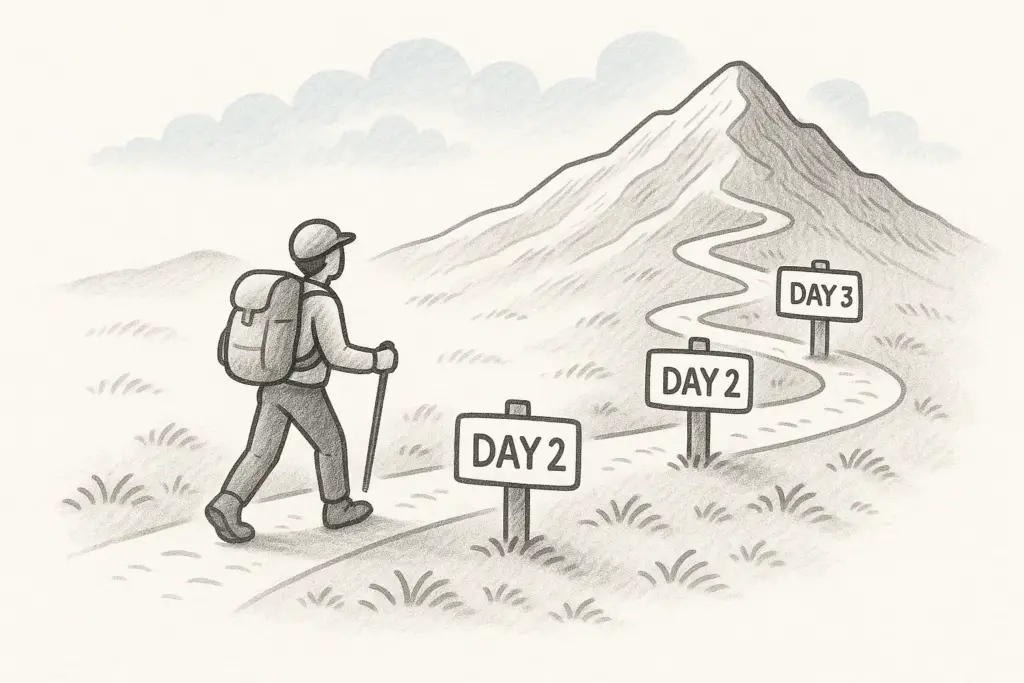
In this post, we’ll break down what The 20 Mile March is, how it applies to your business, career, and personal success, and why consistency beats intensity every time.
What is the 20 Mile March?
The 20 Mile March is a success strategy based on consistency, discipline, and controlled progress, rather than relying on bursts of effort or waiting for the perfect conditions.
The concept comes from Jim Collins’ book Great by Choice, where he explores how steady, deliberate progress leads to long-term success, whether in business, career, or personal growth.
The idea comes from the legendary 1911 race to the South Pole between two explorers: Roald Amundsen and Robert Falcon Scott.
Amundsen’s team marched 20 miles every day, regardless of the weather. Scott’s team, on the other hand, pushed hard in good conditions but rested when things got tough.
Amundsen’s disciplined, measured approach led his team to victory and survival, while Scott’s inconsistent strategy ended in tragedy.
In practical terms, the 20 Mile March means setting a clear, achievable goal and committing to steady progress, no matter what. It’s about:
- Maintaining discipline in both good and bad times
- Avoiding burnout by not overextending on good days
- Being prepared for challenges instead of reacting to them
- Focusing on long-term success rather than short-term wins
Whether you’re growing a business, building a career, or improving your personal life, The 20 Mile March teaches that success isn’t about speed—it’s about endurance.
The Story of Roald Amundsen and Robert Falcon Scott’s Race to the South Pole
In 1911, two teams set out on a daring expedition to be the first to reach the South Pole:
- Roald Amundsen, a Norwegian explorer.
- Robert Falcon Scott, a British naval officer and explorer.
Both faced the same brutal Antarctic conditions, yet their strategies were starkly different, and the results were literally life and death.
Roald Amundsen’s Approach: The 20-Mile March
Amundsen’s team was disciplined and methodical. They followed a strict plan:
✔ March 15 – 20 miles every day, no matter what, whether conditions were favourable or harsh.
✔ Avoid overexertion on good days – they never pushed beyond their planned mileage, even when the weather was excellent.
✔ Prepare meticulously – Amundsen studied the Arctic, used dog sledges, and wore fur clothing (learning from the Inuit).
✔ Stockpile resources wisely – they placed supply depots along the route to avoid shortages.
Amundsen’s team reached the South Pole first on December 14, 1911, planted the Norwegian flag, and returned safely, having executed their plan with calm consistency.
Robert Falcon Scott’s Approach: Erratic and Reactive
Scott’s team, by contrast, had no consistent pace:
- They pushed too hard on good days, exhausting themselves.
- On bad weather days, they stayed in their tents, waiting for better conditions.
- Instead of using dogs, they relied on ponies and man-hauling sledges, which were much less efficient.
- They failed to place enough supply depots, leading to starvation and frostbite.
Scott and his team reached the South Pole on January 17, 1912 – over a month after Amundsen – only to discover the Norwegian flag already there. Heartbroken and depleted, they turned back, but their erratic strategy had drained them of strength and resources.
One by one, they succumbed to frostbite, malnutrition, and exhaustion. Scott’s entire team perished just 11 miles from a supply depot.
Why the 20 Mile March Works
In a world that glorifies hustle culture and overnight success, The 20 Mile March offers a proven path to sustainable, long-term achievement.
Here’s why the 20-Mile March is so powerful:
- It Creates Momentum and Consistency
Success isn’t built in a day; it’s built in the small, daily efforts that compound over time. By marching 20 miles every day, even when progress feels slow, you create unstoppable momentum that keeps you moving forward.
Example: Warren Buffett didn’t build his fortune through a sudden, risky bet. He followed a disciplined investment strategy that grew steadily over the decades.
- It Prevents Burnout and Reckless Decision-Making
Many people go all in when they’re motivated, but crash when reality hits. The 20 Mile March prevents this by setting a sustainable pace. Pushing too hard on good days leads to exhaustion, while waiting for perfect conditions leads to stagnation.
Lesson: Consistency beats intensity. It’s better to exercise 30 minutes daily than to work out for 3 hours once a week and quit.
- It Keeps You in Control, No Matter the Conditions
Life, business, and careers all face good times and bad. The key to lasting success is sticking to your plan even when things get tough. The 20 Mile March ensures that external factors don’t dictate your progress. You keep moving forward, rain or shine.
Example: Companies like Southwest Airlines survived economic downturns because they grew steadily, while competitors expanded recklessly and collapsed when crises hit.
- It Reduces Risk and Increases Preparedness
Scott’s team in the South Pole expedition depended on ideal conditions. So, when things went wrong, they had no backup plan. Amundsen’s team prepared for obstacles, stuck to their steady pace, and survived. The 20 Mile March encourages risk management and preparation, not just hoping conditions will get better.
Lesson: A business that grows at 10% consistently will likely outlast one that expands 50% in a year and collapses under pressure.
- It Separates Winners from Burnouts
The difference between those who succeed and those who don’t is simple: some people show up every day, while others only work when they feel like it. The 20 Mile March builds the discipline required to outlast competitors, challenges, and even personal doubts.
Reality Check: Most people quit after a few months of effort. The ones who keep marching daily are the ones who reach their goals.
How to Apply the 20 Mile March Principle to Business, Career and Personal Development
The 20 Mile March principle applies powerfully to business growth, career success, and personal development, as it emphasises consistent, disciplined progress rather than erratic bursts of effort. Let’s break it down for each area:
Business Growth: Slow, Steady Wins the Race
In business, many companies experience boom-and-bust cycles. They expand aggressively during good times, then collapse when conditions turn tough. The 20 Mile March approach prevents this by ensuring sustainable, long-term growth.
How to Apply it to Your Business
Reality Check: Most people quit after a few months of effort. The ones who keep marching daily are the ones who reach their goals.
- Set clear, achievable growth targets – not too fast, not too slow. Example: A company growing at 10–15% per year consistently is better than one that grows 50% one year and crashes the next.
- Maintain discipline in all conditions – even in downturns, don’t panic and make reckless cuts; in boom times, don’t overextend.
- Build financial reserves – so when tough times hit, you don’t scramble for survival.
- Stick to core values and strategy – avoid chasing every trend; instead, execute your long-term vision consistently.
Example: Southwest Airlines vs. Other Airlines
Southwest Airlines followed a 20-Mile March strategy – steady expansion, disciplined cost control, and resilience through downturns. Other airlines, chasing rapid growth, overleveraged themselves and collapsed during recessions.
Lesson: Long-term success comes from disciplined, sustainable growth, not chasing short-term wins.
Career Success: The Power of Daily Progress
Many professionals either burn out by overworking or become stagnant, waiting for the right opportunity. The 20 Mile March means making measurable progress every day, rather than waiting for “big breaks” or exhausting yourself with inconsistent effort.
How to Apply it to Your Career
- Commit to daily, focused improvement – even if just 30–60 minutes of skill-building per day.
- Don’t overwork on good days; don’t slack on bad days – maintain a balanced pace.
- Keep networking and learning – small, regular efforts compound over time into massive career opportunities.
- Track your progress – set monthly and yearly milestones (e.g., “learn one new tool per quarter”).
Example: Warren Buffett’s Career Growth
Buffett didn’t build his wealth overnight. He followed a disciplined approach: reading, investing wisely, and consistently growing his portfolio over decades.
Many investors chased high-risk opportunities and lost everything, while Buffett stayed the course.
Lesson: Small, daily improvements lead to massive success over time.
Personal Development: The Magic of Consistency
People often set huge goals (e.g., losing 50 pounds, reading 100 books, mastering a new skill) but fail because they go all in for a few weeks, then quit. The 20 Mile March teaches that small, steady habits create real transformation.
How to Apply it to Your Personal Development
- Focus on daily progress – read 10 pages a day, exercise 30 minutes, write 200 words.
- Don’t overdo it – going too hard at first leads to burnout. Sustainable habits > short bursts of effort.
- Track streaks and celebrate milestones – this builds momentum.
- Accept slow progress – it’s still progress.
Example: James Clear & Atomic Habits
James Clear, author of Atomic Habits, built his success by writing every day. He wasn’t waiting for “motivation” or “the perfect time.”
His blog grew slowly but consistently, eventually turning into a bestselling book and massive career success.
Lesson: Winning is about small, repeatable actions over long periods, not big, unsustainable efforts.
Key Takeaways for Business and Life
- Consistency beats intensity. Success is about steady, disciplined effort over time, not just big bursts of work.
- Don’t overextend in good times. Amundsen’s team didn’t sprint on good days, preventing exhaustion later.
- Be prepared for adversity. Scott wasn’t as well-prepared and suffered for it.
- Control what you can, despite conditions. Amundsen stayed on pace, no matter the weather; Scott let external conditions dictate his actions.
Conclusion: The Power of the 20-Mile March
Success isn’t about sprinting when you feel inspired or waiting for the perfect conditions. Success is about showing up every day and making steady, disciplined progress.
The 20 Mile March is a proven strategy used by businesses, top performers, and history’s greatest achievers.
Whether you’re growing a business, advancing in your career, or working on personal goals, the formula remains the same: set a clear goal, maintain a steady pace, and keep marching, no matter what.
Most people burn out or give up when challenges arise. The ones who succeed are those who stay consistent, stick to their plan, and push forward, one step at a time.
So, ask yourself: Are you ready to commit to your own 20 Mile March?
👉 Share in the comments: What’s one area of your life where you’ll apply The 20 Mile March? Let’s commit to steady progress… together.